
Mines Game Strategy and Provably Fair Play for Australian Players
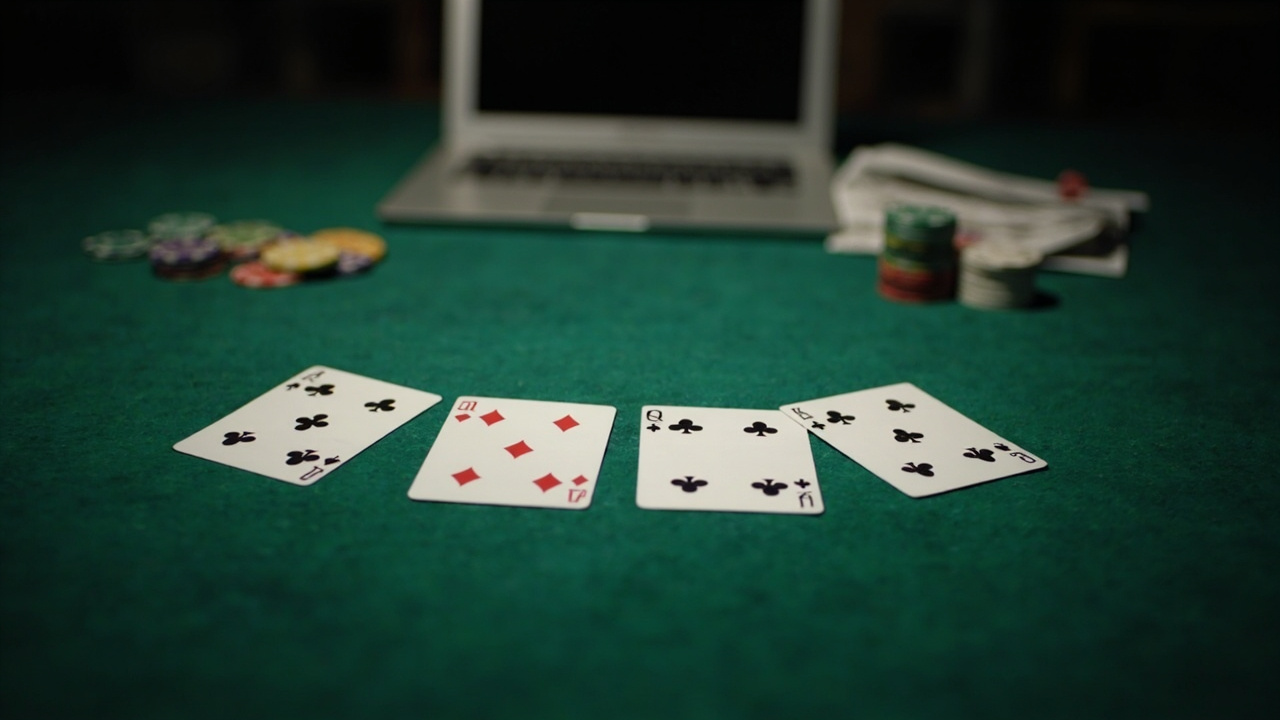
Australian punters exploring mines game strategy provably fair want more than a flashy grid and a quick payout. The appeal sits in the transparency of each round and the way a disciplined approach can stretch a session without chasing losses. For players in regional New South Wales, that means weighing clear account controls, honest odds, and a support team that actually answers when a balance looks off. We look at where the real risk lives, how the fairness model works, and which player types fit the pace best.
H2: Reading the Grid Before You Commit a Stake
The first mistake new players make is treating every cell as equal, when the layout actually rewards patience over impulse. A solid mines game strategy provably fair starts with understanding that each tap removes one safe square and raises the tension for the next. You do not need a calculator to play, but you do need a stop point before the first click, because the moment you decide your exit line, the rest becomes a controlled session rather than a reflex. The RTP figure tells you the long-run percentage a game pays back, while the rest is simply the house edge sitting in the background. That distinction matters when you compare a calm three-coin approach against a rapid five-step chase, because the same grid can feel completely different depending on how often you cash out. Overseas operators in the UK and parts of Europe often publish round-by-round fairness logs alongside their grids, and Down Under we tend to judge the same product by how clearly the operator explains that model before you deposit. A light session on a Tuesday arvo is a very different proposition from a late-night sprint after work, and the grid does not care about either mood, only your discipline.
- Choose a stake size that leaves room for at least five to ten rounds without touching your everyday spending money.
- Decide your cash-out target before the first mine is revealed, and write it down if you tend to forget under pressure.
- Tap only as many cells as your exit plan allows, then collect the win or accept the loss without adding a revenge bet.
- Pause after any losing round and check whether you are still playing your plan or reacting to the last result.
- Close the session once you hit your limit, because extending a tired decision rarely improves the next grid.
H2: How the Fairness Model Actually Supports Your Decisions
Provably fair systems are built to let a player verify that a round was not adjusted after the fact, which is the main reason the phrase keeps appearing in reviews of grid games. The model uses a server seed, a client seed, and a nonce to generate each layout, and that combination is what makes the result verifiable rather than mysterious. For a player, the useful part is not the cryptography itself but the confidence that the odds shown before the round match the odds after it. A mines game strategy provably fair only works when the operator publishes enough detail for a curious user to check a round independently, because transparency without access is just marketing. I have seen the same principle work in hospitality loyalty programs, where a guest can see exactly how points accrue and when they expire, and that clarity changes how people value the offer. Global operators in the US and Europe often treat fairness documentation as a compliance page, while Australian-facing brands usually need to make it readable for a casual punter who just wants to know the game is not rigged. The practical takeaway is simple: if you cannot find a way to verify a round or read a clear explanation of the seed model, treat the grid as entertainment with a fixed edge, not a system you can outthink.
While the cryptographic process ensures the outcome is untouched, players often look for platforms that prioritize this level of openness alongside engaging gameplay. You can explore how these mechanics apply to specific titles like elvis frog trueways at https://elvis-frog-trueways-online-au.com/. Understanding the backend logic helps gamers feel more confident when choosing where to play.
H2: Which Player Fits This Pace and Which One Should Walk Away
Not every player suits a grid game, and the right fit usually depends on whether you want a short, measured session or a fast, high-variance sprint. A measured player who likes to set a target, tap a handful of cells, and log off tends to get more out of the format than someone chasing a big multiplier after a bad beat. The same distinction shows up in beauty subscription models, where a customer who understands the cadence of the box gets more value than one who keeps buying on impulse. A mines game strategy provably fair is most useful for players who already think in terms of limits, because the grid rewards a plan and punishes a mood. Someone who treats the game as a quick distraction with a fixed loss cap can usually enjoy it without much drama, while a player who needs a win to feel satisfied should probably pick a different product. Annika Nelson, Affiliate Partnerships Director, Harbour City Gaming Review, has noted that the players who last longest on grid games are usually the ones who treat every round as a closed decision rather than part of a larger chase. The local angle matters too, because a quiet session from a regional New South Wales town can feel very different from a crowded hotel lobby in Sydney, even if the grid is identical.
H2: Account Controls, Support, and the Limits That Matter
The part of a brand that actually keeps a player safe is rarely the grid itself and more often the account tools around it. Good operators make deposit limits, session reminders, and self-exclusion options easy to find before you need them, because a hidden control is no control at all. Security matters as well, and a brand that stores data carefully and answers support queries without dragging the conversation out tends to earn more trust than one that leans on a polished lobby. I have worked in crypto CRM flows where a delayed response to a wallet issue turned a small problem into a lost user, and the same pattern shows up in iGaming when support goes quiet after a disputed round. A mines game strategy provably fair should sit inside a brand that treats responsible play as a default setting rather than a footer link, and that includes clear privacy wording and a straightforward way to close an account if you need to. For anyone checking a local option, the detail that matters is not the size of the welcome offer but whether the support team can explain your limits, your history, and your next step without making you repeat yourself. Elvis frog trueways keeps its account tools and support channels in one accessible section, which is the kind of layout that helps a player actually use the controls instead of hunting for them.